An unexpected accident can create lasting changes in someone’s personal and professional life. A person may leave home for an ordinary day of work or shopping and return facing medical treatment, physical discomfort, and financial uncertainty. These situations can be especially difficult when injuries prevent someone from maintaining their usual routine. Understanding personal injury matters helps individuals recognize potential risks, respond appropriately, and make informed decisions when accidents occur.
Understanding the Causes of Personal Injury
Personal injuries can result from various situations, including vehicle collisions, workplace accidents, unsafe property conditions, and defective products. Each incident has different circumstances, and the resulting injuries can range from temporary discomfort to serious conditions requiring long-term care.
Road accidents frequently involve factors such as distracted driving, speeding, careless overtaking, and failure to observe traffic regulations. Even a seemingly minor collision can result in neck strain, back pain, or other injuries that interfere with everyday activities.
Workplace accidents can happen when employees operate machinery without proper training or work in environments where safety standards are not maintained. Falls, equipment failures, and injuries caused by falling objects can have serious consequences. Businesses should take appropriate precautions to protect employees and visitors from preventable hazards.
Responding Properly When an Accident Happens
The actions taken immediately after an accident can influence the recovery process. Personal safety should always come first, and anyone experiencing a serious injury should seek emergency medical assistance. Even if symptoms appear minor, obtaining a professional medical assessment is a sensible precaution.
When circumstances allow, documenting the incident can help preserve important details. Photographs, witness contact information, official reports, and notes about the surrounding conditions may become useful later. Individuals should also keep copies of medical records and correspondence related to the accident.
It is important to avoid making assumptions about injuries before receiving appropriate medical advice. Some conditions become noticeable gradually, and early assessment can help identify problems that might otherwise be overlooked.
The Value of Understanding Legal Rights
When an accident occurs because another party acted negligently or failed to meet a legal responsibility, the injured individual may have grounds to explore a personal injury claim. Depending on the applicable laws, compensation may include medical expenses, lost wages, rehabilitation costs, and other recognized damages.
Establishing responsibility requires examining the available evidence and the circumstances of the incident. Relevant information may include accident reports, photographs, witness accounts, medical assessments, and financial records.
A qualified personal injury lawyer can explain the legal requirements and help an individual understand possible courses of action. Legal professionals may also assist with insurance discussions, settlement negotiations, and evaluating the potential impact of an injury.
Because filing deadlines and legal procedures differ between jurisdictions, seeking advice promptly can help prevent unnecessary complications.
Managing Medical Costs and Everyday Responsibilities
The financial impact of an injury can be difficult to predict. Treatment expenses may include hospital visits, diagnostic tests, medication, specialist consultations, and rehabilitation. If the injured person cannot work temporarily, reduced income may create additional pressure.
Maintaining an organized record of expenses can help individuals understand their financial position. Medical invoices, receipts, transportation costs, and employment records may also be relevant when assessing potential losses.
Everyday responsibilities may require temporary adjustments as well. Family members can help with household tasks, transportation, shopping, and medical appointments. This practical support allows injured individuals to concentrate on their recovery without feeling overwhelmed by routine obligations.
Supporting Long-Term Physical and Emotional Recovery
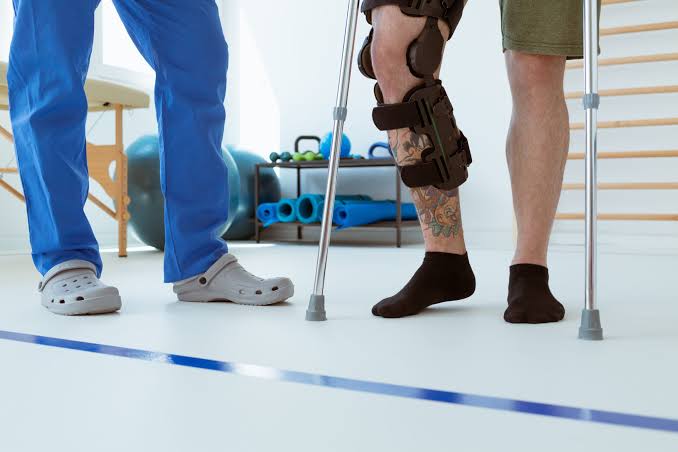
Recovery is different for every person. Some injuries improve within a few weeks, while others require extended treatment and lifestyle changes. Following medical recommendations and attending rehabilitation sessions can help individuals work toward their recovery goals.
Emotional challenges should not be overlooked. Experiencing an accident may lead to anxiety, frustration, or uncertainty about returning to work and familiar activities. Having access to supportive family members and qualified professionals can make these challenges easier to manage.
Patience is important throughout the process. Gradually rebuilding strength and confidence is often more practical than rushing back into activities before the body is ready.
Making Safety a Regular Priority
Preventing personal injuries requires awareness and cooperation. Drivers should remain focused, follow traffic rules, and maintain their vehicles. Employers should provide suitable training and inspect equipment regularly, while property owners should address dangerous conditions through proper maintenance.
Simple actions such as improving lighting, repairing damaged walkways, displaying warning signs, and keeping work areas organized can help reduce unnecessary risks.
Personal injury situations can be challenging, but preparation and reliable information can make a meaningful difference. Seeking appropriate medical care, maintaining accurate documentation, understanding legal options, and obtaining professional support when necessary can help individuals protect their interests. With a thoughtful approach, injured people can focus on rebuilding their health and returning to a more comfortable daily routine.
Leave a Reply