Category: Uncategorized

  • The Role of Personal Injury Claims in Protecting Individual Rights

    The Role of Personal Injury Claims in Protecting Individual Rights

    Personal injury accidents can happen without warning and create difficulties that affect a person’s physical health, emotional well-being, and financial stability. From road traffic collisions to workplace incidents and injuries caused by unsafe property conditions, these situations can disrupt everyday life and create unexpected responsibilities. Personal injury law helps individuals understand their legal protections when another party’s negligence or wrongful conduct causes harm. Knowing how these claims work can help injured individuals take practical steps toward protecting their interests.

    A personal injury claim generally begins with examining the circumstances surrounding an accident. Identifying the cause of an injury and determining whether another party may be legally responsible are important parts of this process. For example, a distracted driver may cause a collision, while a property owner may contribute to an accident by failing to address a dangerous condition. Evidence such as photographs, witness statements, official reports, and medical records can help establish the relevant facts.

    Medical recovery should always receive attention after an accident. Depending on the type and severity of an injury, individuals may require emergency treatment, specialist consultations, medication, surgery, or physical rehabilitation. Some people recover relatively quickly, while others experience long-term physical limitations that affect their employment and personal activities. Following professional medical advice and maintaining treatment records can support a safer recovery process.

    Financial losses can make an already stressful situation more difficult. Medical bills, rehabilitation expenses, transportation costs, and lost earnings may create significant pressure on injured individuals and their families. In certain circumstances, compensation may also cover future medical requirements, reduced earning capacity, and pain and suffering. The availability of these damages depends on the applicable laws, available evidence, and specific details of the case.

    Working with a personal injury attorney can help individuals understand their legal options and manage complicated procedures. A lawyer may investigate the accident, collect supporting documents, communicate with insurance companies, and negotiate a settlement. If negotiations are unsuccessful, legal representation may also be necessary during court proceedings. Professional advice is particularly valuable when an injury involves disputed responsibility or substantial long-term expenses.

    Preventing accidents is equally important for maintaining safer communities. Responsible driving, proper workplace training, regular building inspections, and appropriate safety equipment can reduce many avoidable risks. Individuals and organizations should recognize their responsibilities and take reasonable precautions to protect others.

    Ultimately, personal injury law provides an important framework for seeking accountability when preventable harm occurs. Understanding legal rights, obtaining timely medical care, and preserving relevant evidence can help injured individuals approach the claims process with greater confidence while focusing on their recovery and future well-being.
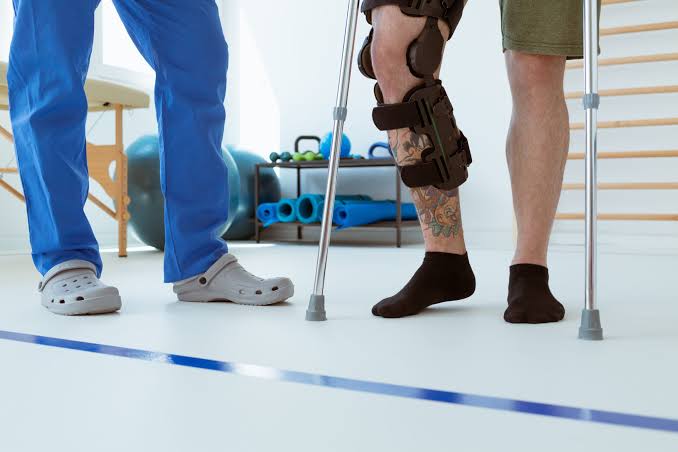

  • Personal Injury Experiences and the Importance of Being Prepared

    Personal Injury Experiences and the Importance of Being Prepared

    An unexpected accident can create lasting changes in someone’s personal and professional life. A person may leave home for an ordinary day of work or shopping and return facing medical treatment, physical discomfort, and financial uncertainty. These situations can be especially difficult when injuries prevent someone from maintaining their usual routine. Understanding personal injury matters helps individuals recognize potential risks, respond appropriately, and make informed decisions when accidents occur.

    Understanding the Causes of Personal Injury

    Personal injuries can result from various situations, including vehicle collisions, workplace accidents, unsafe property conditions, and defective products. Each incident has different circumstances, and the resulting injuries can range from temporary discomfort to serious conditions requiring long-term care.

    Road accidents frequently involve factors such as distracted driving, speeding, careless overtaking, and failure to observe traffic regulations. Even a seemingly minor collision can result in neck strain, back pain, or other injuries that interfere with everyday activities.

    Workplace accidents can happen when employees operate machinery without proper training or work in environments where safety standards are not maintained. Falls, equipment failures, and injuries caused by falling objects can have serious consequences. Businesses should take appropriate precautions to protect employees and visitors from preventable hazards.

    Responding Properly When an Accident Happens

    The actions taken immediately after an accident can influence the recovery process. Personal safety should always come first, and anyone experiencing a serious injury should seek emergency medical assistance. Even if symptoms appear minor, obtaining a professional medical assessment is a sensible precaution.

    When circumstances allow, documenting the incident can help preserve important details. Photographs, witness contact information, official reports, and notes about the surrounding conditions may become useful later. Individuals should also keep copies of medical records and correspondence related to the accident.

    It is important to avoid making assumptions about injuries before receiving appropriate medical advice. Some conditions become noticeable gradually, and early assessment can help identify problems that might otherwise be overlooked.

    The Value of Understanding Legal Rights

    When an accident occurs because another party acted negligently or failed to meet a legal responsibility, the injured individual may have grounds to explore a personal injury claim. Depending on the applicable laws, compensation may include medical expenses, lost wages, rehabilitation costs, and other recognized damages.

    Establishing responsibility requires examining the available evidence and the circumstances of the incident. Relevant information may include accident reports, photographs, witness accounts, medical assessments, and financial records.

    A qualified personal injury lawyer can explain the legal requirements and help an individual understand possible courses of action. Legal professionals may also assist with insurance discussions, settlement negotiations, and evaluating the potential impact of an injury.

    Because filing deadlines and legal procedures differ between jurisdictions, seeking advice promptly can help prevent unnecessary complications.

    Managing Medical Costs and Everyday Responsibilities

    The financial impact of an injury can be difficult to predict. Treatment expenses may include hospital visits, diagnostic tests, medication, specialist consultations, and rehabilitation. If the injured person cannot work temporarily, reduced income may create additional pressure.

    Maintaining an organized record of expenses can help individuals understand their financial position. Medical invoices, receipts, transportation costs, and employment records may also be relevant when assessing potential losses.

    Everyday responsibilities may require temporary adjustments as well. Family members can help with household tasks, transportation, shopping, and medical appointments. This practical support allows injured individuals to concentrate on their recovery without feeling overwhelmed by routine obligations.

    Supporting Long-Term Physical and Emotional Recovery

    Recovery is different for every person. Some injuries improve within a few weeks, while others require extended treatment and lifestyle changes. Following medical recommendations and attending rehabilitation sessions can help individuals work toward their recovery goals.

    Emotional challenges should not be overlooked. Experiencing an accident may lead to anxiety, frustration, or uncertainty about returning to work and familiar activities. Having access to supportive family members and qualified professionals can make these challenges easier to manage.

    Patience is important throughout the process. Gradually rebuilding strength and confidence is often more practical than rushing back into activities before the body is ready.

    Making Safety a Regular Priority

    Preventing personal injuries requires awareness and cooperation. Drivers should remain focused, follow traffic rules, and maintain their vehicles. Employers should provide suitable training and inspect equipment regularly, while property owners should address dangerous conditions through proper maintenance.

    Simple actions such as improving lighting, repairing damaged walkways, displaying warning signs, and keeping work areas organized can help reduce unnecessary risks.

    Personal injury situations can be challenging, but preparation and reliable information can make a meaningful difference. Seeking appropriate medical care, maintaining accurate documentation, understanding legal options, and obtaining professional support when necessary can help individuals protect their interests. With a thoughtful approach, injured people can focus on rebuilding their health and returning to a more comfortable daily routine.

  • Understanding the Importance of Personal Injury Protection

    Understanding the Importance of Personal Injury Protection

    Personal injury protection is an important consideration for individuals who experience unexpected accidents and suffer physical, emotional, or financial harm. Accidents can happen during ordinary activities, such as driving to work, shopping, using public facilities, or performing job-related duties. When injuries occur because of another party’s negligence, understanding personal injury law can help affected individuals explore their legal rights and determine whether compensation may be available. Having reliable information about the legal process can make it easier to handle the challenges that follow an accident.

    One of the most common situations involving personal injury is a motor vehicle accident. Careless driving, distracted behavior, speeding, and ignoring traffic regulations can cause serious collisions. Workplace accidents are another major concern, particularly in industries involving construction equipment, heavy machinery, and hazardous working conditions. Property-related incidents, including slips, trips, and falls, may also result in injuries when reasonable safety precautions are neglected.

    After an accident, receiving proper medical attention is essential. Some injuries require immediate treatment, while others may develop symptoms gradually. Medical examinations help identify potential problems and determine the most appropriate treatment. Depending on the circumstances, recovery may involve medication, surgery, physical therapy, or extended rehabilitation. Keeping detailed medical records can also provide important documentation if the injured individual decides to pursue a legal claim.

    The financial impact of personal injuries can be considerable. Hospital bills, prescription expenses, transportation costs, and lost wages may create difficulties for individuals and their families. In serious cases, long-term disabilities can affect future employment opportunities and everyday independence. Depending on local laws and the circumstances of the incident, compensation may cover medical expenses, lost income, future financial losses, and other recognized damages.

    Legal guidance can help individuals navigate the different stages of a personal injury claim. A qualified attorney may review accident reports, collect evidence, communicate with insurance companies, and explain possible settlement options. Legal professionals can also help clients understand filing deadlines and determine whether taking further legal action is appropriate. Choosing someone with relevant experience can make complicated procedures easier to manage.

    Personal injury protection is not only about financial recovery; it also involves recognizing the importance of safety, accountability, and individual rights. Employers, property owners, drivers, and businesses should take reasonable measures to prevent avoidable accidents. When injuries do happen, proper medical care, accurate documentation, and reliable legal guidance can help affected individuals move toward recovery and regain confidence in their future.

  • Personal Injury Awareness and the Road to a Better Recovery

    Personal Injury Awareness and the Road to a Better Recovery

    An unexpected accident can interrupt everyday life and introduce challenges that are difficult to manage without proper support. Whether someone experiences a vehicle collision, a workplace incident, or an injury caused by unsafe property conditions, the consequences can extend beyond immediate physical pain. Medical expenses, missed work, emotional stress, and changes in daily responsibilities can create additional pressure. Understanding personal injury matters allows individuals to approach these situations with better preparation and awareness.

    How Different Accidents Affect Individuals

    Personal injuries can happen in numerous circumstances. Road traffic accidents are particularly concerning because careless driving, speeding, distracted motorists, and unsafe road conditions can lead to serious collisions. Injured individuals may experience fractures, neck injuries, back problems, or other conditions that require ongoing treatment.

    Workplace accidents can create similar difficulties. Employees who operate machinery, handle heavy materials, or work in physically demanding environments depend on appropriate safety procedures. When equipment is poorly maintained or safety instructions are ignored, the risk of injury can increase.

    Property-related accidents are another important concern. A visitor may slip on an unmarked wet floor, trip over damaged flooring, or fall because a staircase lacks proper maintenance. Depending on the circumstances, these incidents may raise questions about the legal responsibilities of property owners or managers.

    Recognizing the Importance of Medical Documentation

    Getting medical attention after an accident should be a priority, even when symptoms initially seem manageable. Some injuries become more noticeable over time, and delaying an assessment may make it harder to identify the problem early.

    Doctors and other healthcare professionals can evaluate the condition and recommend appropriate treatment. Depending on the injury, recovery may require medication, physical therapy, diagnostic examinations, or specialist care. Following medical instructions helps patients monitor their progress and avoid unnecessary complications.

    Medical documentation also provides a record of the treatment received. Hospital reports, prescriptions, diagnostic results, and rehabilitation invoices can help establish the nature of an injury and the associated expenses. Keeping these materials organized can be useful if insurance or legal questions arise.

    Understanding the Personal Injury Claims Process

    When an individual suffers harm because of another party’s negligence or wrongful actions, a personal injury claim may provide an opportunity to seek compensation. Depending on the applicable laws, compensation may cover medical expenses, lost income, rehabilitation costs, and other recognized damages.

    The process often requires examining how the accident happened and identifying the parties who may be legally responsible. Photographs, witness statements, official reports, medical records, and financial documents can all help clarify the circumstances.

    Insurance companies may investigate the incident and request information before deciding whether to make a settlement offer. Injured individuals should carefully review any proposed agreement before accepting it, particularly when future treatment or long-term effects remain uncertain.

    A qualified personal injury attorney can explain relevant legal requirements, review available evidence, and discuss possible options. Because legal deadlines and compensation rules vary by jurisdiction, professional advice can help individuals understand their position before making important decisions.

    Managing the Financial Impact of an Injury

    Financial difficulties are common when an injury prevents someone from working or creates additional household expenses. Medical appointments, medication, transportation, and rehabilitation can place pressure on an already limited budget.

    Keeping accurate financial records can help individuals understand the full impact of an accident. Receipts, medical invoices, employment information, and records of missed working days may be relevant when assessing potential losses.

    Family members can also provide practical assistance during recovery. Helping with transportation, shopping, meal preparation, and household responsibilities can reduce everyday pressure and allow the injured person to focus on treatment.

    Emotional Health and the Recovery Process

    Physical injuries sometimes affect emotional well-being in ways that are not immediately recognized. An individual may become anxious about driving, returning to work, or participating in activities associated with the accident. Long recovery periods can also create frustration and uncertainty.

    Having a reliable support system can make these challenges easier to manage. Family members, friends, healthcare providers, and qualified counselors may all contribute to emotional recovery. Setting realistic goals and following professional recommendations can help individuals gradually rebuild their confidence.

    Creating Safer Environments for Everyone

    Preventing accidents requires consistent attention from individuals, employers, and property managers. Drivers should follow road regulations, avoid distractions, and maintain their vehicles. Employers should provide appropriate training, protective equipment, and regular safety inspections.

    Property owners can reduce potential hazards by maintaining walkways, repairing damaged surfaces, improving lighting, and addressing spills promptly. These measures can help protect employees, customers, residents, and visitors.

    Personal injury situations can involve complicated medical, financial, and legal considerations. However, taking timely action and understanding available resources can make the process more manageable. Prioritizing health, preserving accurate information, seeking qualified guidance, and maintaining a realistic recovery plan can help injured individuals move forward with greater confidence.

  • How Personal Injury Law Helps Individuals Rebuild Their Lives

    How Personal Injury Law Helps Individuals Rebuild Their Lives

    An unexpected injury can create challenges that affect a person’s physical condition, emotional health, and financial security. Whether an accident occurs on a busy road, at a construction site, inside a commercial building, or within a residential property, its consequences can sometimes last for months or even years. Personal injury law provides legal protections for individuals who suffer harm because of another party’s negligence or wrongful conduct. Understanding these protections can help injured people make informed decisions about their recovery and possible compensation.

    Personal injury incidents can happen in numerous ways. Motor vehicle accidents may result from reckless driving, excessive speed, or failure to follow traffic signals. Workplace injuries can occur when employers neglect safety procedures or provide poorly maintained equipment. Similarly, unsafe staircases, slippery floors, and damaged walkways may create dangerous conditions for visitors and customers. In each situation, determining the cause of the incident is an important step toward understanding potential legal responsibility.

    The recovery process often involves several stages, beginning with medical evaluation and continuing through treatment and rehabilitation. Depending on the severity of the injury, individuals may require medication, surgery, physical therapy, or specialized medical assistance. Some injuries also create emotional difficulties, making support from family members and healthcare professionals valuable. Following medical recommendations can help improve recovery and prevent additional complications.

    Financial concerns are another major issue for accident victims. Medical expenses, transportation costs, missed working hours, and reduced earning capacity can place significant pressure on household budgets. Depending on the applicable legal system, individuals may be entitled to seek compensation for medical treatment, lost income, rehabilitation expenses, and other recognized damages. Maintaining accurate financial records can help demonstrate the economic consequences of an accident.

    Legal representation can provide useful support throughout a personal injury claim. An experienced attorney can investigate the incident, examine available evidence, identify potentially responsible parties, and communicate with insurance companies. They can also explain settlement agreements, legal procedures, and filing deadlines so clients understand their available options. Choosing professional assistance is particularly important when injuries involve complicated medical or legal circumstances.

    Preventing accidents should remain a priority for individuals, businesses, and communities. Responsible driving, proper workplace training, regular property inspections, and appropriate safety equipment can reduce many unnecessary risks. When preventable injuries occur, personal injury law offers a framework for addressing responsibility and pursuing appropriate remedies.

    Ultimately, rebuilding life after an accident requires time, patience, and reliable support. Understanding personal injury rights, prioritizing medical care, and keeping organized documentation can help individuals approach difficult situations with greater confidence. These practical steps can support both the recovery process and the pursuit of a fair legal outcome.

  • Personal Injury and the Importance of Knowing Your Options

    Personal Injury and the Importance of Knowing Your Options

    Unexpected accidents can affect people physically, emotionally, and financially. A simple journey to work, an afternoon at a shopping center, or a regular shift at a workplace can suddenly result in an injury that changes everyday routines. Some people recover quickly, while others require months of medical treatment and rehabilitation. Understanding personal injury issues can help individuals recognize their rights, make informed choices, and approach recovery with greater confidence.

    The Hidden Consequences of Unexpected Injuries

    Not every injury is immediately visible. While cuts, bruises, and broken bones are usually easy to recognize, certain conditions may take longer to develop noticeable symptoms. Back injuries, soft tissue damage, and head trauma can sometimes create ongoing difficulties that affect a person’s ability to work and participate in normal activities.

    Vehicle accidents are one common source of these problems. Distracted driving, speeding, unsafe overtaking, and failure to respect traffic signals can contribute to collisions involving motorists, passengers, cyclists, and pedestrians.

    Workplace incidents can also have lasting consequences. Employees may suffer injuries because of poorly maintained machinery, inadequate safety training, or dangerous working conditions. Similarly, visitors to commercial properties may experience accidents involving slippery floors, damaged stairs, or other maintenance problems.

    Making Medical Care a Priority

    Following an accident, obtaining appropriate medical attention is essential. Even when someone believes an injury is minor, a professional assessment can help identify potential complications and determine whether treatment is necessary.

    Medical professionals may recommend diagnostic imaging, medication, physiotherapy, or specialist consultations depending on the circumstances. Following their instructions can help individuals manage symptoms and understand what activities should be avoided during recovery.

    Maintaining medical documentation is equally important. Hospital records, prescriptions, diagnostic reports, and rehabilitation invoices provide useful information about the injury and its treatment. These documents can also help explain the financial consequences when an individual considers pursuing compensation.

    Understanding the Role of Evidence

    Evidence helps establish the circumstances surrounding an accident. Photographs of the location, damaged objects, visible injuries, and potential hazards may provide useful details. Witness statements and official reports can offer additional information about what happened.

    Individuals should also keep records of communication with insurance companies and other involved parties. Written correspondence can help prevent confusion about important discussions or requests.

    Accuracy matters throughout this process. Information should be recorded honestly, and original documents should be preserved whenever possible. If a legal claim becomes necessary, organized evidence can make it easier for a qualified professional to evaluate the situation.

    Exploring Legal Options After an Accident

    A personal injury claim may be available when someone suffers harm because another party’s negligence or wrongful conduct caused the accident. Depending on local legislation, compensation may cover medical expenses, lost wages, rehabilitation costs, and other recognized damages.

    However, determining whether a claim is valid requires examining several factors. These include the circumstances of the incident, the available evidence, the connection between the accident and the injury, and the legal responsibilities of the parties involved.

    A personal injury lawyer can help explain the applicable rules and discuss possible next steps. Legal assistance may also be useful when negotiating with insurance companies or reviewing settlement offers. Since filing deadlines differ between jurisdictions, obtaining professional advice without unnecessary delay is sensible.

    Preparing for Financial and Personal Recovery

    An injury can create financial uncertainty, particularly when someone cannot return to work immediately. Medical treatment, transportation, medication, and rehabilitation may increase household expenses at a time when regular income is reduced.

    Keeping a detailed record of accident-related spending can help individuals understand their financial position. Employment records, medical invoices, receipts, and information about missed working hours may also be relevant when evaluating potential compensation.

    Recovery requires attention to emotional well-being as well. Some individuals experience stress, frustration, or anxiety when their injuries prevent them from maintaining familiar routines. Family support, appropriate counseling, and realistic recovery goals can make this period easier to manage.

    Building Awareness and Preventing Future Accidents

    Safety awareness can reduce the likelihood of many preventable injuries. Drivers should remain attentive, maintain their vehicles, and follow traffic regulations. Employers should provide proper training, suitable protective equipment, and regular workplace inspections.

    Property owners can help create safer environments by repairing damaged surfaces, maintaining staircases, improving lighting, and addressing hazards promptly. These responsibilities are important in both residential and commercial settings.

    Personal injury situations often involve more than the initial accident. Medical needs, financial responsibilities, and legal questions can all influence the recovery process. By seeking appropriate treatment, preserving reliable evidence, and understanding available legal options, individuals can make better decisions and take practical steps toward rebuilding their everyday lives.

  • Personal Injury Awareness: Understanding Your Rights and Legal Options

    Personal Injury Awareness: Understanding Your Rights and Legal Options

    Personal injuries can happen unexpectedly and create difficulties that affect a person’s health, finances, and everyday responsibilities. An accident may occur while traveling, working, visiting a business, or spending time in a public area. When these incidents result from negligence or unsafe conditions, injured individuals may have legal options for seeking compensation. Personal injury law helps establish how responsibility is determined and what remedies may be available to people who experience harm.

    Many different situations can lead to personal injury claims. Road accidents involving careless drivers, workplace incidents caused by inadequate safety measures, and injuries resulting from poorly maintained buildings are common examples. Other cases may involve defective consumer products, animal attacks, or medical negligence. Although these incidents differ in nature, they often require careful investigation to determine the cause of the injury and whether another party can be held legally responsible.

    The physical consequences of an accident can vary considerably. Some individuals experience temporary discomfort, while others require surgery, extended rehabilitation, or long-term medical assistance. Serious injuries may also affect a person’s ability to earn an income or participate in activities they previously enjoyed. These challenges can place additional pressure on family members who provide emotional, physical, and financial support during recovery.

    Keeping accurate records is an important part of protecting personal interests after an accident. Medical documents, photographs, witness details, police reports, and receipts can help establish relevant facts. Individuals should also record expenses related to transportation, treatment, rehabilitation, and missed employment. This information may help demonstrate the overall impact of an accident when evaluating a potential compensation claim.

    A personal injury lawyer can guide individuals through the legal process by reviewing their circumstances, gathering supporting evidence, and explaining applicable regulations. Legal professionals may also communicate with insurance companies, negotiate settlements, and provide representation if a dispute reaches court. Their assistance can be particularly useful when injuries are serious or responsibility is contested.

    Understanding personal injury law is valuable because it encourages individuals to take appropriate action when their safety and well-being have been affected. Receiving timely medical treatment, preserving important evidence, and obtaining qualified legal advice can help make the recovery process more manageable. With the right information and support, injured individuals can better understand their options and work toward restoring their quality of life.

  • Personal Injury Concerns and Taking Control After an Accident

    Personal Injury Concerns and Taking Control After an Accident

    An accident can create unexpected difficulties that affect a person’s health, career, and family life. What begins as an ordinary day can quickly turn into a situation involving hospital visits, financial concerns, and uncertainty about the future. Personal injuries are not always limited to visible physical damage. They can also affect emotional well-being, independence, and the ability to complete everyday responsibilities. Understanding how to respond after an accident can help individuals make informed decisions and protect their interests.

    Different Situations That Can Cause Personal Injuries

    Personal injuries can occur in many different circumstances. Road traffic accidents are a common example, particularly when motorists drive carelessly, become distracted, or fail to follow traffic regulations. A collision may result in anything from minor bruising to serious injuries involving the spine, head, or internal organs.

    Workplace accidents are another important concern. Employees in construction, transportation, manufacturing, and other industries may encounter hazardous conditions while performing their duties. Faulty machinery, inadequate training, unsafe lifting practices, and missing protective equipment can increase the likelihood of injuries.

    Accidents can also happen in shopping centers, restaurants, apartment buildings, and other public or private locations. Poorly maintained walkways, wet floors, broken handrails, and falling objects can create dangerous situations. Depending on the circumstances, an injured individual may have legal options if another party failed to meet its responsibilities.

    Why Early Medical Attention Is Essential

    Getting appropriate medical attention after an accident should always be a priority. Some injuries are immediately noticeable, while others may develop symptoms gradually. A person might initially experience mild discomfort before discovering that the incident caused a more serious medical problem.

    Professional medical assessments help identify injuries and determine suitable treatment. Depending on the condition, recovery may involve medication, diagnostic testing, physiotherapy, or specialist consultations. Following medical instructions and attending recommended appointments can help patients monitor their progress.

    It is also useful to maintain copies of medical records. Hospital reports, diagnostic results, prescriptions, and treatment invoices can provide an accurate history of the injury. These documents may become important when evaluating insurance coverage or considering a personal injury claim.

    Protecting Important Information After an Accident

    Accurate documentation can make a significant difference when reviewing the circumstances of an accident. When it is safe to do so, individuals can photograph the accident location, damaged property, visible injuries, and other relevant details.

    Witness names and contact information may also be useful. Official accident reports and written communication with insurance companies should be preserved rather than discarded. Keeping everything organized makes it easier to provide consistent information when questions arise.

    People should avoid making assumptions about responsibility or exaggerating the effects of an injury. Clear and truthful documentation provides a more reliable foundation for any legal or insurance review.

    Understanding Personal Injury Compensation

    When someone suffers harm because of another party’s negligence or wrongful conduct, a personal injury claim may provide a way to seek financial compensation. Depending on the applicable law, damages may include medical expenses, lost income, rehabilitation costs, and certain non-economic losses.

    However, compensation is not automatic. Establishing legal responsibility generally requires examining the circumstances, identifying relevant duties, and determining whether another party’s actions caused the injury. The evidence and legal requirements can differ considerably between jurisdictions.

    A qualified personal injury attorney can help individuals understand their legal position. An attorney may review the available evidence, explain potential claims, communicate with insurance representatives, and assess settlement proposals. Seeking professional advice early is particularly helpful when injuries are serious or responsibility is disputed.

    Managing Financial and Emotional Challenges

    Recovering from an injury can place pressure on personal finances. Medical bills may increase while the injured person experiences reduced income because of missed working days. Transportation, rehabilitation, and additional household assistance can create further expenses.

    Keeping detailed financial records can help individuals understand these costs. Receipts, invoices, employment information, and records of missed work may be relevant when assessing potential losses.

    Emotional recovery also deserves attention. Some people experience anxiety, frustration, or reduced confidence after an accident. Support from family members, friends, and qualified professionals can help them manage these difficulties while adjusting to temporary limitations.

    Taking Steps Toward a Safer Future

    Preventing accidents requires consistent attention to safety. Drivers should avoid distractions, follow traffic regulations, and maintain their vehicles. Employers should provide suitable training, inspect equipment, and address workplace hazards.

    Property owners and business managers can also reduce risks by maintaining floors, repairing damaged structures, improving lighting, and providing appropriate warnings where hazards exist.

    Personal injury situations can be complicated, but informed decisions help make the recovery process more manageable. Prioritizing medical care, preserving accurate records, understanding legal rights, and seeking qualified assistance when necessary can help individuals protect their interests. With patience and appropriate support, injured people can work toward restoring their health, independence, and confidence.

  • Exploring the Different Aspects of Personal Injury Law

    Exploring the Different Aspects of Personal Injury Law

    Personal injury law is an important part of the legal system because it helps protect individuals who experience harm due to another party’s negligence or wrongful actions. Accidents can occur in many everyday situations, including road travel, workplaces, shopping centers, and residential properties. Although some incidents result in minor injuries, others can create serious health complications, emotional stress, and long-term financial difficulties. Understanding personal injury law allows affected individuals to become more aware of their rights and the legal remedies that may be available.

    One significant area of personal injury law involves automobile accidents. Careless driving, speeding, distracted behavior, and ignoring road safety regulations can lead to dangerous collisions. Victims may experience broken bones, head injuries, back problems, or other medical conditions that require immediate and ongoing treatment. Workplace injuries are another important concern, particularly in industries where employees operate heavy machinery, handle hazardous materials, or work in challenging environments. Proper safety procedures and regular equipment inspections can help reduce these risks.

    Personal injury cases may also involve defective products and unsafe property conditions. Manufacturers are expected to meet relevant product safety requirements, while property owners may have legal responsibilities to address dangerous conditions. When failures in these responsibilities cause injuries, affected individuals may have grounds to explore legal action. However, every claim depends on its specific facts and the applicable laws.

    Gathering reliable evidence is an essential part of handling a personal injury matter. Photographs of the accident scene, medical reports, witness statements, official records, and financial receipts can help explain what happened. Injured individuals should also maintain a record of treatment expenses, missed working days, and other costs associated with their recovery. Organized documentation can help legal professionals assess the situation and identify possible compensation.

    Working with a qualified personal injury attorney can provide valuable assistance throughout the legal process. An attorney may investigate the incident, review supporting evidence, negotiate with insurance companies, and represent clients when court proceedings become necessary. Legal guidance can also help individuals understand important deadlines, settlement conditions, and the potential consequences of accepting an offer.

    Recovering from an accident requires patience, proper medical care, and access to reliable information. Personal injury law provides a framework for seeking accountability and compensation when legal responsibility can be established. By understanding their rights, preserving relevant evidence, and obtaining appropriate professional guidance, injured individuals can take positive steps toward recovery and a more secure future.

  • Untitled post 13

    An unexpected injury can affect a person’s life in ways that are difficult to predict. A routine journey, a visit to a local business, or an ordinary working day can suddenly become the beginning of a long recovery process. Beyond physical pain, accidents may create financial difficulties, emotional pressure, and uncertainty about future responsibilities. Understanding personal injury matters can help individuals recognize their options and take sensible steps toward protecting their health and interests.

    Understanding How Injuries Affect Daily Life

    Personal injuries can result from different types of accidents, including vehicle collisions, workplace incidents, pedestrian accidents, and falls on unsafe properties. Some injuries are relatively minor, while others require extensive medical treatment and rehabilitation.

    For example, a person involved in a road accident may experience back pain that makes sitting for long periods uncomfortable. Someone who suffers a workplace injury may temporarily lose the ability to perform tasks that require lifting, standing, or repetitive movements. Even everyday activities can become challenging when an injury affects mobility or strength.

    The effects are not always limited to the injured person. Family members may need to adjust their schedules, provide transportation, and take on additional responsibilities. This is one reason why understanding the broader impact of an accident is important.

    Identifying Responsibility for an Accident

    Determining how an accident happened is an important part of evaluating a possible personal injury claim. In some situations, negligence may involve a driver ignoring traffic rules, an employer failing to address workplace hazards, or a property owner neglecting necessary maintenance.

    However, responsibility is not always obvious. Investigating an incident may require reviewing photographs, witness statements, official reports, safety records, and other available information. The specific legal requirements depend on the location and circumstances.

    People involved in accidents should focus on recording accurate details rather than making assumptions about who is responsible. Preserving relevant evidence can help legal professionals evaluate the situation more effectively.

    The Importance of Proper Treatment and Medical Records

    Receiving appropriate medical attention should be a priority after an accident. Some injuries produce immediate symptoms, while others become noticeable over time. A professional examination can help identify problems and determine whether further diagnostic testing or treatment is needed.

    Recovery may involve medication, physical therapy, specialist consultations, or surgical procedures, depending on the condition. Following medical recommendations can help patients manage their symptoms and monitor their progress.

    Medical records also provide useful information about the injury. Treatment notes, hospital invoices, prescriptions, diagnostic reports, and rehabilitation documents can help establish the care received and related expenses. Keeping these materials organized can be valuable when dealing with insurance companies or legal representatives.

    Exploring Compensation and Legal Support

    When another party’s negligence causes an injury, an individual may be entitled to pursue compensation under applicable law. Depending on the jurisdiction, a personal injury claim may include medical expenses, lost wages, rehabilitation costs, and other recognized damages.

    The value and outcome of a claim depend on several factors. These may include the severity of the injury, the available evidence, the degree of responsibility, insurance coverage, and applicable legal rules.

    A qualified personal injury lawyer can help explain the available options and determine whether a claim has a reasonable legal basis. An attorney may also assist with gathering evidence, communicating with insurance representatives, and reviewing settlement offers.

    It is important to remember that legal deadlines differ between jurisdictions. Getting professional advice early can help prevent avoidable problems during the claims process.

    Managing the Practical Challenges of Recovery

    An injury can create financial pressure when medical expenses increase and regular earnings decrease. Individuals who work in physically demanding professions may face particular difficulties because returning to their previous responsibilities can take time.

    Keeping a record of treatment expenses, transportation costs, missed working days, and other accident-related losses can make financial planning easier. Families may also benefit from reviewing their monthly budgets and temporarily adjusting nonessential spending.

    Practical support can make a significant difference during recovery. Friends and relatives may help with household responsibilities, shopping, appointments, and transportation. These arrangements allow injured individuals to concentrate on treatment without feeling overwhelmed by everyday tasks.

    Creating Better Safety Habits

    Preventing injuries requires awareness and responsible behavior. Drivers should remain focused, avoid using mobile phones behind the wheel, and follow traffic regulations. Employers should provide proper training, maintain machinery, and address workplace hazards promptly.

    Property managers and business owners can also reduce risks through routine inspections, clean walkways, adequate lighting, and timely repairs. Simple preventive measures can help protect employees, customers, residents, and visitors.

    Personal injury situations can be stressful, but understanding the available resources makes it easier to respond appropriately. Medical treatment, reliable documentation, legal guidance, and consistent rehabilitation all contribute to a more organized recovery process. Taking these steps can help individuals regain confidence, manage unexpected challenges, and work toward a healthier future.